Table of Contents
- What Causes Pregnancy Gingivitis?
- Common Signs and Symptoms to Watch For
- How This Can Affect Your Oral Health
- Safe and Effective Treatment Options
- Tips for Maintaining Healthy Gums During Pregnancy
- Turn to Hendersonville Family Dental for Expert Support
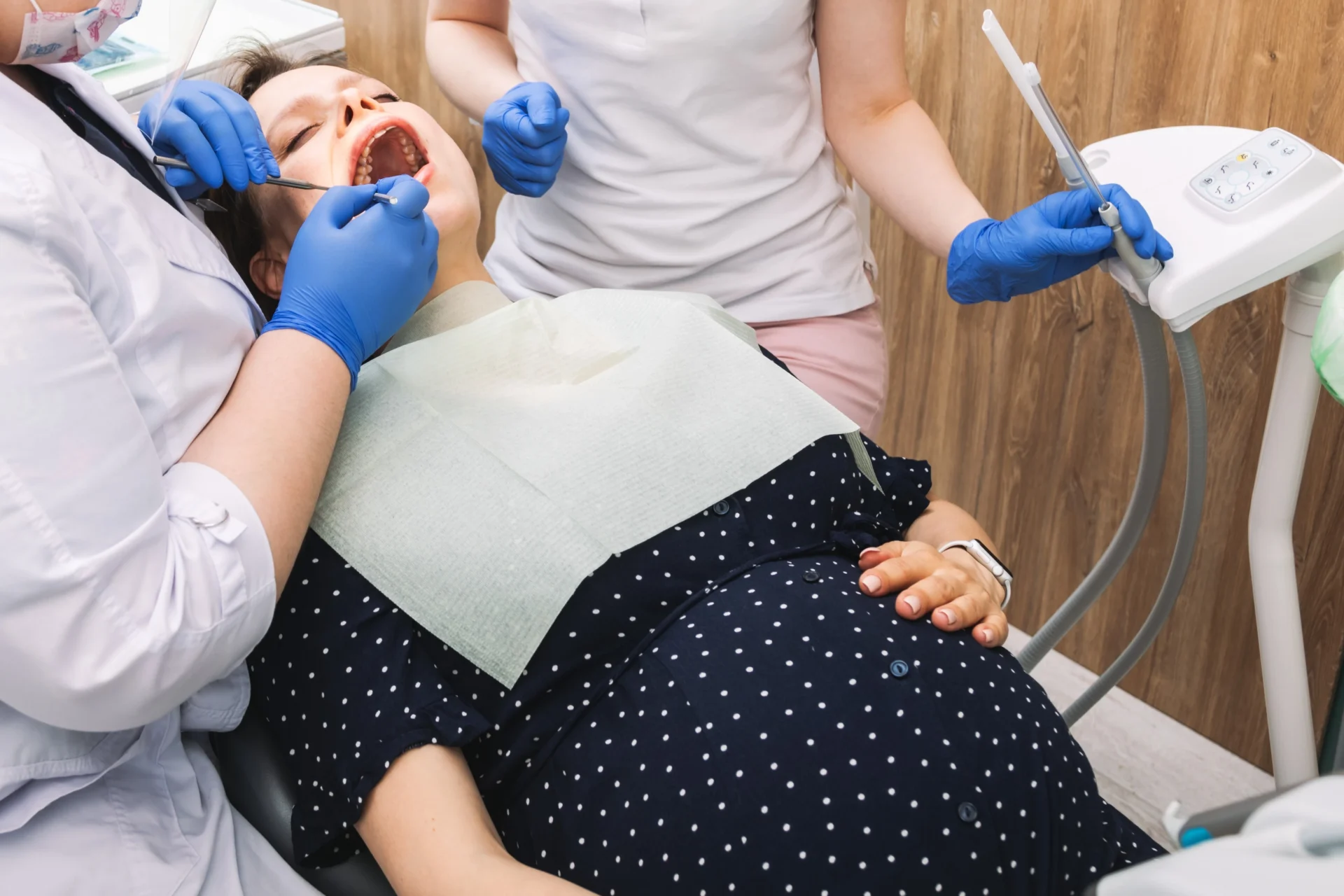
Expanding your family in North Carolina is always an incredibly exciting period of your life. However, it isn’t always the most fun. You may find yourself dealing with more frequent discomfort, regular nausea, and more severe fatigue. While these symptoms are uncomfortable, they generally subside in the weeks after you’ve given birth.
There is, however, one symptom that you may still have to deal with after birth. Some people in Hendersonville may find themselves developing pregnancy gingivitis, which may result in lasting gum problems. Thankfully though, with the support of an expert dental team, you can treat pregnancy gingivitis and avoid lasting problems after you’ve given birth.
If you believe you may be experiencing pregnancy gingivitis and want to learn more about the causes, symptoms, and treatment, keep reading.
What Causes Pregnancy Gingivitis?
Pregnancy gingivitis is an incredibly common symptom, with up to 75% of pregnant people developing increased gum inflammation. For some patients, this occurs in the first trimester. However, it is most severe during the second and third trimester. But why exactly are you dealing with this symptom?
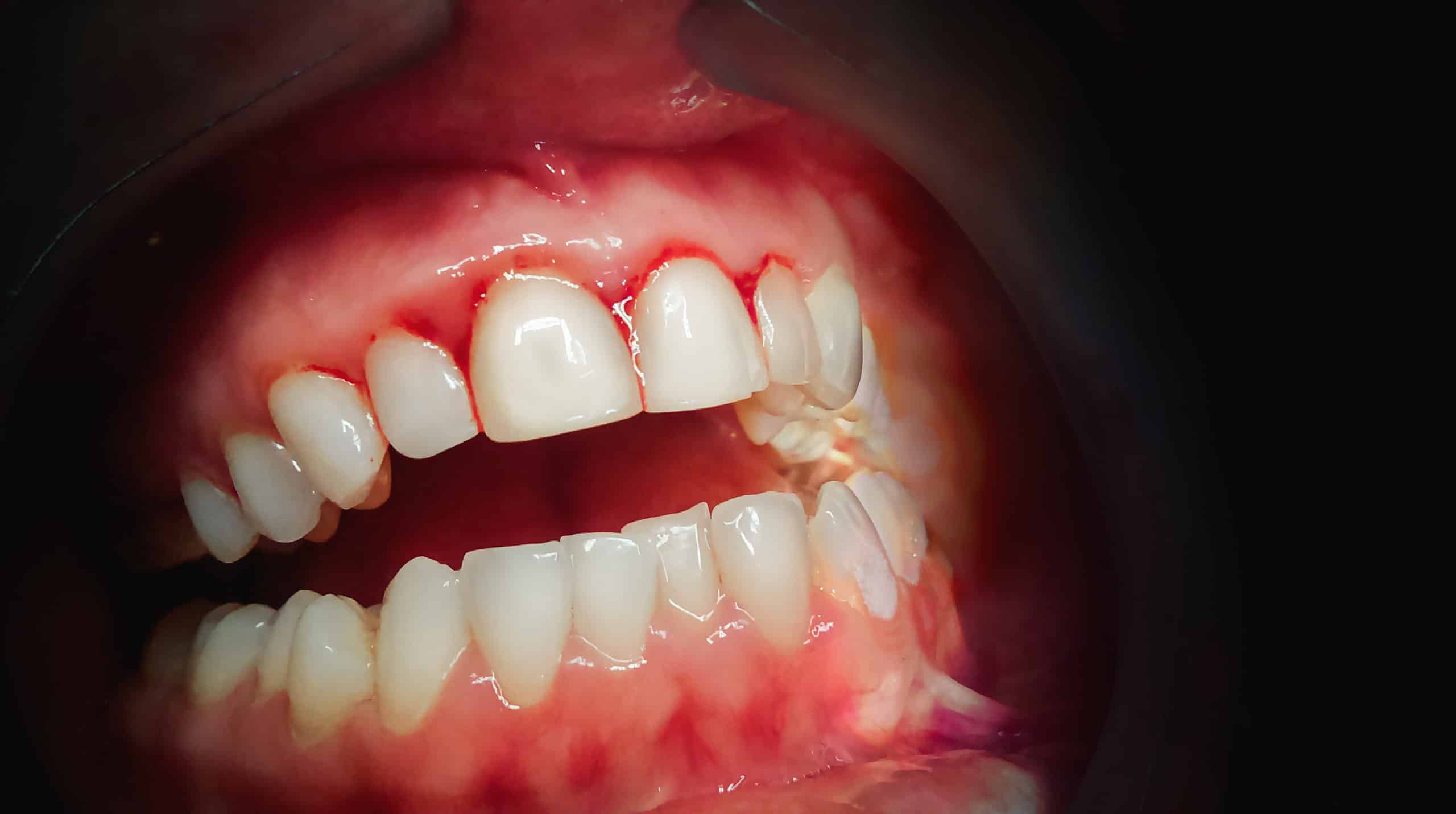
The direct cause of this problem is hormonal surges. As your estrogen and progesterone increases, so does the blood flow to your gum tissues. For many patients, this leads to a more swollen appearance of your gums, as well as increased tenderness and becoming more prone to bleeding when brushing and flossing.
As your hormones change, your body’s reaction to plaque also changes. Your body may react more severely to plaque, even if there isn’t much plaque buildup. Natural changes in your immune system can also increase the risk of gum irritation. Finally, frequent vomiting exposes your teeth to stomach acid, compromising your oral health.
While this can be incredibly frustrating, it is a natural part of your pregnancy. Whether you know that you’re dealing with pregnancy gingivitis or only just begin to suspect it, taking proactive steps to protect your gum health can go an incredibly long way in protecting you from more long-term discomfort.
Common Signs and Symptoms to Watch For
Much like with standard gingivitis, there are several symptoms of pregnancy gingivitis you should watch out for. Catching this condition in its earliest stages can help you avoid more severe gum problems, including periodontal disease. If you are experiencing any of the following symptoms, you may be experiencing pregnancy gingivitis:
- Bleeding gums when brushing and flossing
- Gums that appear darker red, shiny, and swollen
- Increased tenderness when touching your gums
- Persistent bad breath, even with regular brushing
- The appearance of non-cangerous growths on your gums
As soon as these symptoms emerge, it is essential that you reach out to your dental team for support. They can perform a more thorough examination of your gums and help you find more lasting relief from these symptoms.
How This Can Affect Your Oral Health
Although it might initially seem inconsequential, dealing with pregnancy gingivitis can impact your long-term oral health. The immediate effect will be swollen, tender, and bleeding gums. However, as the condition worsens, you may find yourself experiencing much more severe complications, including:
- Periodontitis: Gum disease is measured in stages. During stage 1, gingivitis, the condition is still reversible. However, once it passes this point, the condition is no longer reversible and will always be something you’ll need to carefully watch.
- Tooth Loosening: As the condition progresses, you may find yourself dealing with the loss of gum tissue and supporting bone structures. Over time, this means less support for your teeth and the risk of them loosening or shifting.
- Tooth Loss: While this is only common in the most advanced stages of periodontitis, there is a risk of tooth loss or the need for extractions as a result of leaving your gum disease untreated.
If you believe you are experiencing pregnancy gingivitis, don’t put off treatment. The consequences can be incredibly extreme. Instead, make sure to be proactive while caring for your teeth from day to day, and make sure to reach out to your trusted dental team to schedule an exam as soon as possible.
Safe and Effective Treatment Options
If you are experiencing pregnancy gingivitis, the things you do at home to care for your teeth and gums can make a significant difference in your recovery. However, caring for your gums through home care after you’ve begun experiencing these symptoms may not be sufficient for alleviating the problem.
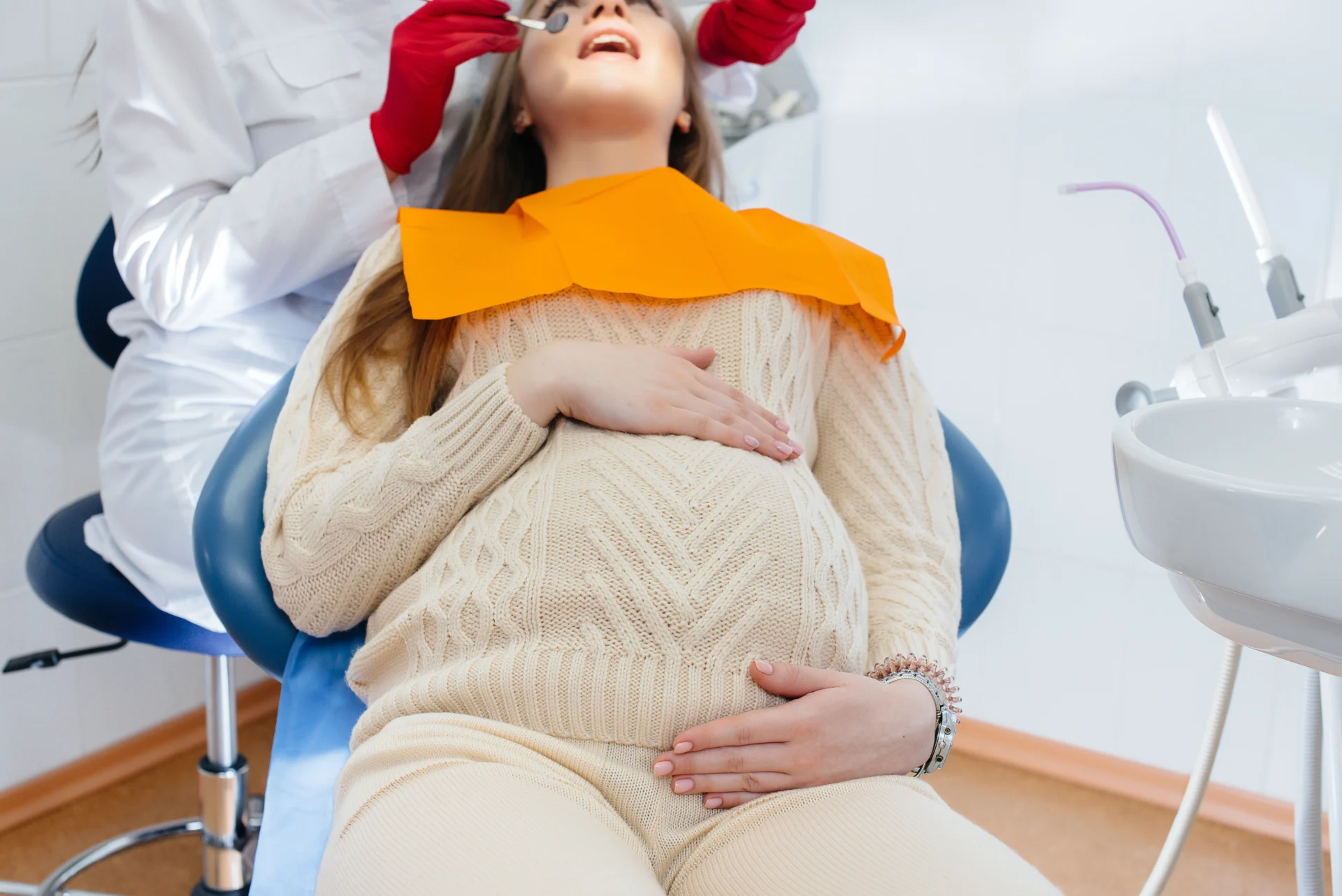
Once you’ve begun experiencing these gingivitis symptoms, it is in your best interest to reach out to your trusted dental team. They will perform a thorough cleaning, addressing any hard tartar buildup that may otherwise be irritating your gum tissue. This care is safe and effective for addressing any irritation you may be dealing with.
If in-office care isn’t quite providing the relief you need, and symptoms are becoming more severe, you may need to talk to your dentist about taking antibiotics or using a prescription oral rinse. With their care and your at-home oral hygiene routine, you can trust that you’re taking active steps to reduce your discomfort and gum irritation.
Tips for Maintaining Healthy Gums During Pregnancy
While it can be difficult to avoid developing gingivitis during your pregnancy, there are a few things you can do to maintain healthy gums. Taking proactive steps can make a major difference in your comfort and oral health throughout your pregnancy. If you want to maintain healthy gums through your pregnancy, incorporate the following into your everyday routine:
- Brush your teeth twice daily with a fluoride toothpaste and soft-bristle toothbrush, and floss at least once daily to address plaque, bacteria, and lingering food particles.
- Avoid brushing immediately after dealing with morning sickness. Instead, rinse with an oral rinse and wait 30 minutes before brushing.
- Focus on following a strict, nutrient-rich diet with plenty of calcium, vitamin C, and vitamin D to support your teeth and baby’s development.
- Drink plenty of water throughout the day to rinse lingering bacteria and food particles and protect your sensitive gum tissue.
- Attend regular appointments with your dentist and bring up any concerns you may have to ensure they’re promptly addressed.

Turn to Hendersonville Family Dental for Expert Support
We understand that new parents may be a little nervous about seeking dental care during your pregnancy. However, our team at Hendersonville Family Dental is here to ease your nerves. We’ve proudly provided reliable dental care to pregnant patients across the region for years, and we’re confident that we can do the same for you. Whether you’re dealing with pregnancy gingivitis or you want to avoid complications altogether, we’re here and ready to support your continued dental care.
If you would like to schedule an appointment to address pregnancy gingivitis, don’t hesitate to contact us today by filling out an online contact form or calling us at 828-222-7878.