Table of Contents
- What Causes Your Snoring, and When Is It a Dental Issue?
- How Jaw Alignment and Oral Structure Impact Your Breathing at Night
- Signs Your Snoring May Be Linked to a Treatable Dental Condition
- How a Dentist in Henderson County, NC, Diagnoses and Treats Snoring
- Oral Appliances vs. Other Treatments: What Are Your Best Options?
- Address Your Snoring with Help From Hendersonville Family Dental

An estimated 45% of adults snore occasionally while they’re sleeping. Many people may think of this as a natural, unavoidable part of sleeping. While many people may be more prone than others to snore in their sleep, there is also a chance that your snoring is caused by an unaddressed dental condition. But how can you know what is causing your snoring?
Identifying the root cause of your snoring is the first step in moving toward snore-free nights, and that may begin by scheduling an appointment with your dentist. In this blog, we’ll explore some of the most common causes of snoring, when it becomes a more serious dental issue, and how your dentist can offer support to prevent you from snoring in the future.
What Causes Your Snoring, and When Is It a Dental Issue?
When you think about snoring, you probably think about the impact it has on your quality of life. You may find yourself struggling to sleep or getting worse sleep night after night. But, your snoring can also signify a potential dental issue. However, before you can determine whether it is a dental issue, you need to understand why you’re snoring.
There are several different reasons why someone may snore while they sleep, including:
- Airway obstructions due to relaxed throat muscles.
- Excessive fat tissue around the neck, putting pressure on your airway.
- Sleeping on your back, allowing your tongue to fall backwards.
- Chronic congestion, allergies, or a deviated septum.
However, if you’re not dealing with any of these, your snoring may be due to an underlying dental issue. Individuals with misaligned jaws, TMJ disorder, bruxism, teeth crowding, and impacted wisdom teeth may also find themselves snoring at night. If you’re struggling to identify the cause of your snoring, it may be time to reach out to your dentist for support.

How Jaw Alignment and Oral Structure Impact Your Breathing at Night
Your jaw and oral structures play a major role in your ability to breathe easily at night. Recessed lower jaws or a narrow upper jaw can shrink your airway, leading to difficulty breathing at night. Patients who deal with these chronic dental problems often find themselves mouth breathing and snoring during sleep.
These patients may also find their tongues obstructing their throats while sleeping, leading to a condition known as obstructive sleep apnea. Finally, a narrow upper jaw and high palate can reduce nasal space, leading to mouth breathing while you sleep. At first, this may just lead to increased snoring while sleeping.
However, over time, it isn’t uncommon for individuals with these obstructive problems to experience chronic fatigue and cognitive issues. While it can be easy to ignore your snoring at first, it is always in your best interest to address it as soon as it emerges. With professional support, you can start down the road toward a better night’s sleep.
Signs Your Snoring May Be Linked to a Treatable Dental Condition
There are a few signs you should look for in your everyday life to determine whether your snoring is connected to a treatable dental condition. If you believe you’re dealing with snoring as a result of untreated conditions, you may also regularly experience the following symptoms.
- Jaw pain and tooth damage
- Persistent dry mouth
- Scalloped tongue
- Morning headaches
- Visible structural problems
- Gasping and choking
If you are experiencing any of these signs, it is time to reach out to your dentist for support. With their professional care, you can take adequate steps toward addressing any dental problems and achieving better sleep at night.
How a Dentist in Henderson County, NC, Diagnoses and Treats Snoring
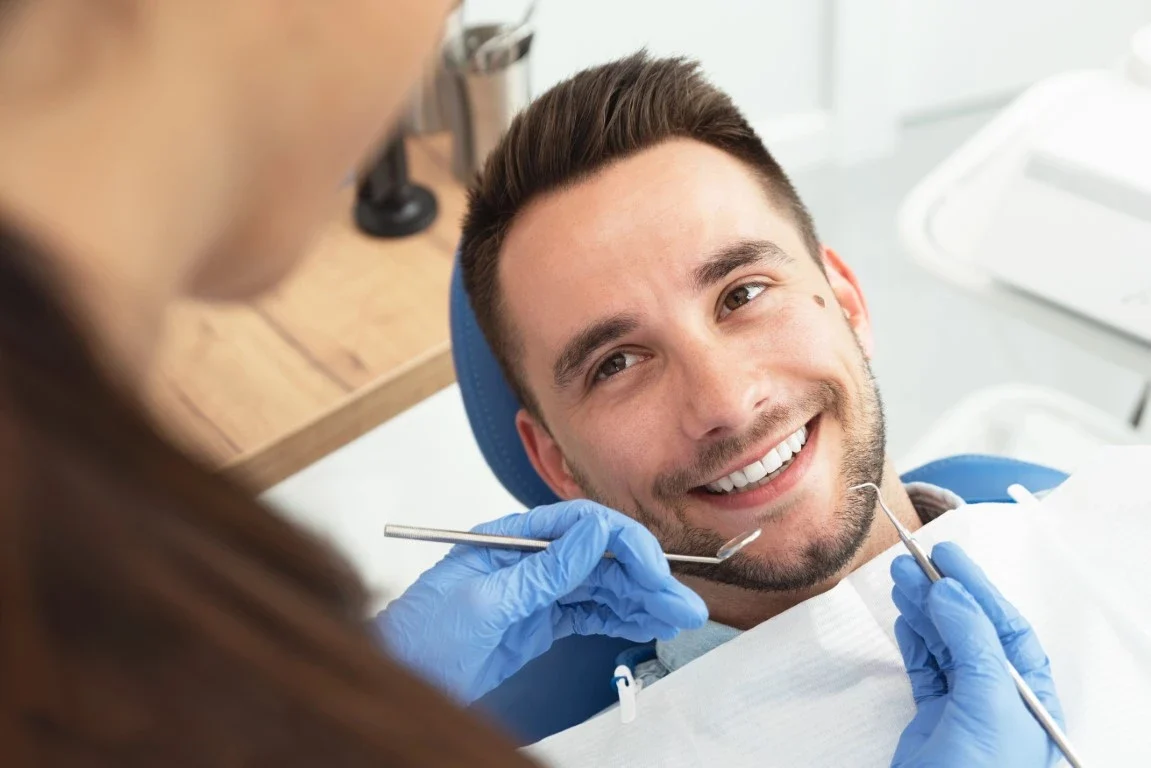
When you visit a dentist to identify the root cause of your snoring, there are a few ways they can help. They’ll begin every appointment by performing a thorough examination. In some cases, this may include taking a comprehensive X-ray of your teeth and bone structure. From there, you should discuss any of the symptoms above that you’re experiencing.
You should discuss any chronic fatigue you’re experiencing, coupled with jaw pain, bruxism, and dry mouth, which may point to untreated oral health problems. They may also need to perform more comprehensive imaging to get a detailed look at your airway. Some dentists may also recommend a sleep study to confirm potential diagnoses.
Oral Appliances vs. Other Treatments: What Are Your Best Options?
No two patients will have identical treatment plans to address their snoring. However, there are a few common treatment options that your dentist may recommend, including:
- CPAP Machine: The easiest way to treat your snoring is through a CPAP machine, which is best for treating severe obstructive sleep apnea. However, some patients may find this uncomfortable to wear at night.
- Mandibular Advancement Device (MADs): This custom-made device shifts the jaw forward, opening your airway while you sleep and preventing snoring and mild-to-moderate sleep apnea.
- Orthodontics: If you’re dealing with major bite problems and small palates, your dentist may recommend visiting an orthodontist. While this is a much more involved process, it can lead to lasting results.
Determining which is best for you will vary depending on the severity of your snoring and the current state of your teeth and oral structure. Your dentist will take all of this into consideration before making the best recommendation for your long-term comfort and well-being.

Address Your Snoring with Help From Hendersonville Family Dental
If you’re tired of your snoring disrupting your sleep and the sleep of your loved ones, our team at Hendersonville Family Dental is here to help you identify the root cause of the problem. With our support, you can trust that you’ll identify its cause and have an action plan toward a future free from constant snoring and discomfort while you sleep. Beyond identifying the cause of your snoring, our team can also help you address oral health conditions and move toward achieving the smile of your dreams.
If you would like to schedule an appointment with our team to begin addressing your snoring, don’t hesitate to contact us today.