
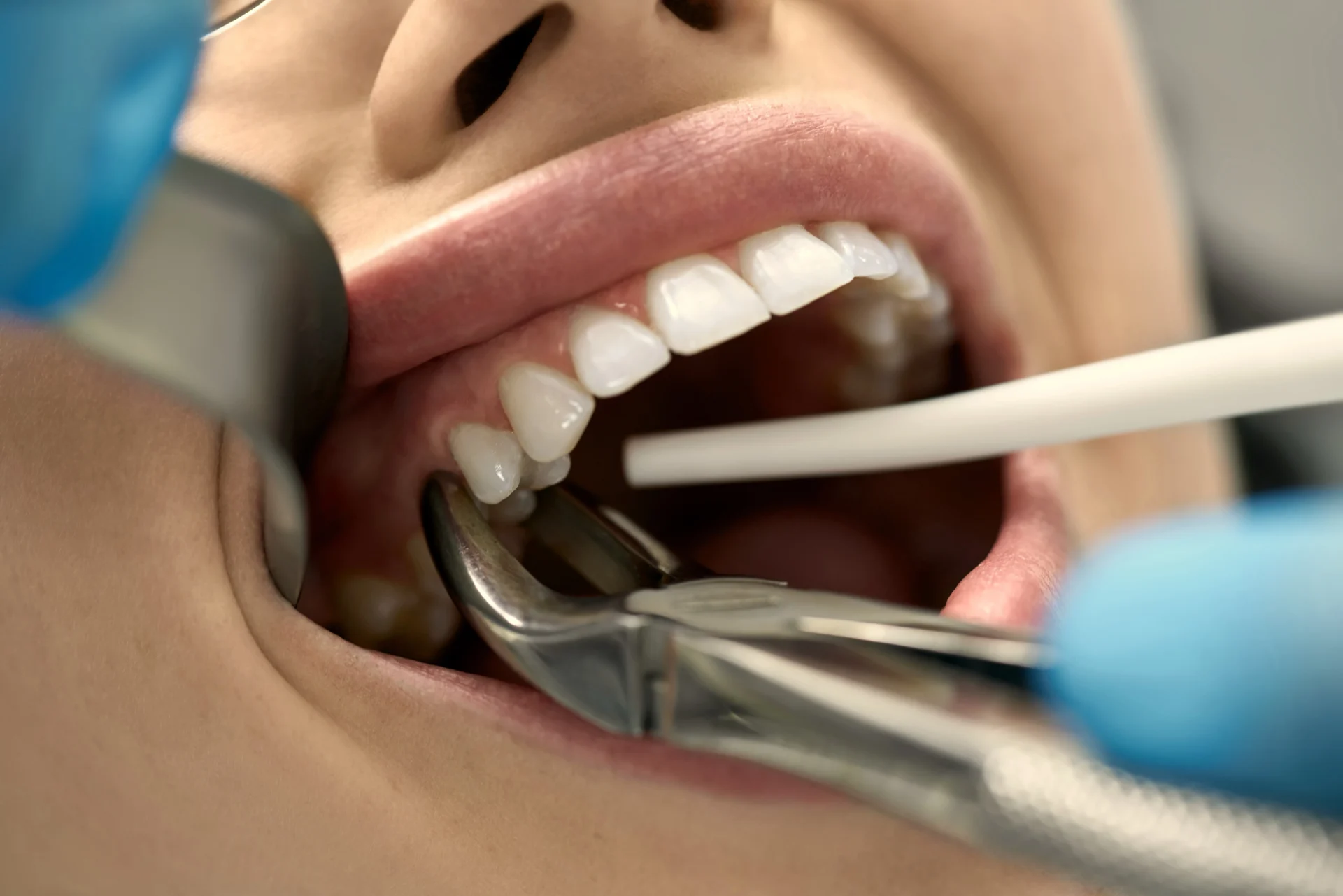
Whether you’ve scheduled an extraction for your wisdom teeth or a severely cracked or damaged tooth, this is an essential step toward improving your oral health. However, before you attend this appointment, you may be concerned about the long-term impact this procedure will have on your overall oral health, including your tooth alignment.
In many cases, dental patients may be especially concerned about the risk of shifting teeth as a result of these new gaps in their smiles. Not only can shifting teeth impact your oral function, but they can also dramatically change the appearance of your smile. In this blog, we’ll explore whether this is something you need to worry about and what you can do to protect yourself.
Will Your Teeth Shift After a Tooth Extraction?
If your dentist has recently recommended a tooth extraction, there may be a variety of things you’re worried about. While the loss of a tooth can be distressing, it is important to note that your dentist will not recommend this treatment unless it is absolutely necessary. However, this may not be your only concern; you may also be worried about whether you’ll have shifting teeth.
In some cases, you may experience shifting teeth after a tooth extraction. However, this isn’t always something you’ll have to worry about. After your tooth extraction, the neighboring teeth may begin to drift, tilt, or rotate toward the newly vacant space. This shifting is most common after molar extraction, as it leaves larger gaps than smaller front teeth.

How Tooth Loss Affects the Alignment of Your Teeth
In perfect scenarios, your teeth sit side by side, creating the ideal alignment for everyday oral function. They work together seamlessly, ensuring you can bite without putting too much strain on one or more teeth. However, when you get a tooth extraction, this can lead to problems with this alignment and everyday function.
Following an extraction, your surrounding teeth may shift, tilt, or lean into the space where the tooth once was. This can quickly spiral into a domino effect of misalignment as every tooth begins to move. As you experience shifting teeth, you may find that your bite changes significantly, a problem known as malocclusion.
In some cases, this may also impact the corresponding upper teeth. When a lower tooth is lost, the corresponding upper tooth may begin to over erupt, growing out of its socket and into the gap in your smile. Finally, the loss of a tooth can impact your jawbone strength, leading to instability in the remaining teeth.
Timeframe for Shifting Teeth After Extraction
While there is a chance of shifting teeth after an extraction, it is important to understand that this will not happen immediately. Some shifting will occur within a few weeks of your tooth extraction, while major noticeable changes can take several months. However, understanding how quickly this shifting will occur depends on several factors, including:
- Tooth Location: If you are extracting incisors or canines, you may notice faster shifting than if you’re extracting a molar.
- Age: Younger dental patients with more flexible bones or older adults with low bone density will experience more rapidly shifting teeth.
- Gum Health: More advanced gum disease can weaken the tissue and bones supporting your teeth, resulting in rapid shifting.
- Bruxism: Individuals who have a history of tooth grinding may put excessive pressure on their teeth, speeding up this movement.
- Pre-Existing Stability: If you have previous crowding issues or low jawbone density, your teeth may shift more quickly.

Preventing Teeth Shifting After Losing a Tooth
Due to the risk of shifting after a tooth extraction, it is important to consider restorative options before this appointment. There are a few very reliable options that can help you restore the appearance and function of your smile. Some of these options include:
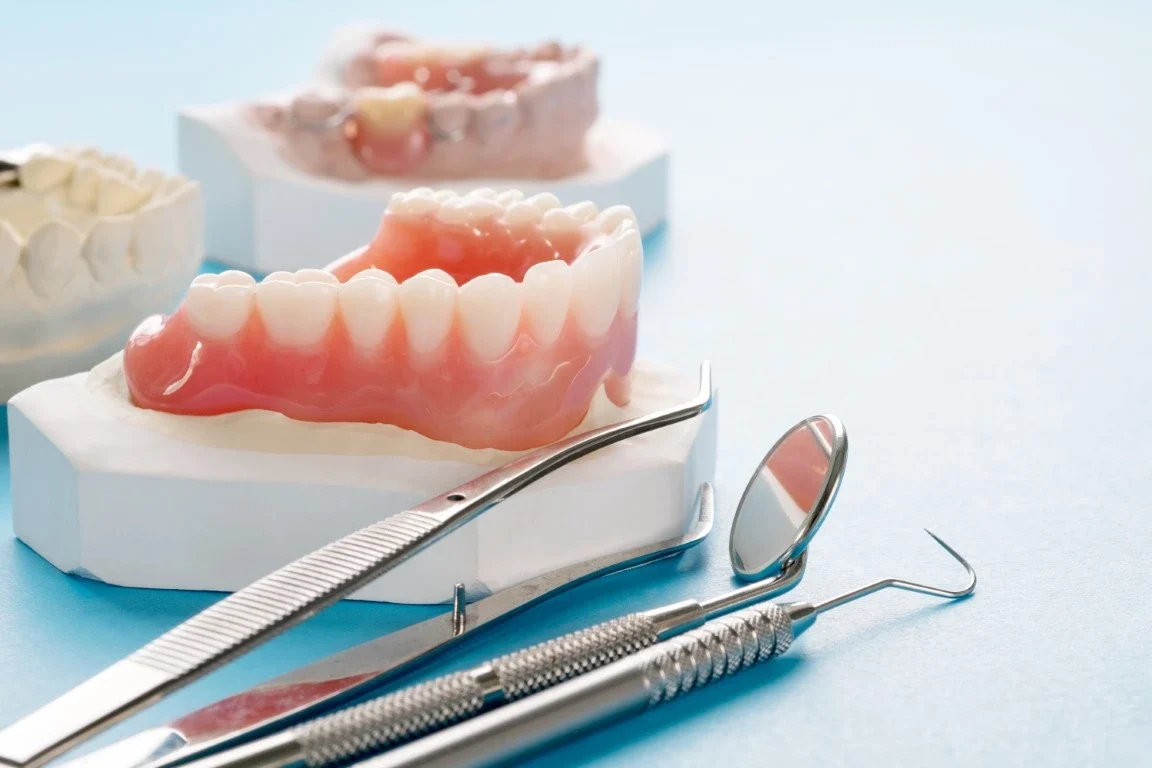
- Dental Bridges: This dental prosthetic attaches to the neighboring teeth, allowing you to fill any gaps your missing teeth may cause. It is the best option for individuals who are looking for a strong, cost-effective restorative option.
- Partial Dentures: A partial denture is a great way to replace several missing teeth in a row. This is a great option for anyone who needs to restore the function of their smile but might not have the bone density to support other options.
- Dental Implants: If you are looking for the most comfortable, natural replacement option, it may be time to consider implants. This fuses to your jawbone, ensuring long-term stability while blending seamlessly with your surrounding teeth.
Long-Term Effects of Tooth Extraction on Your Smile
While you may have recently had a tooth extraction, you may not want to replace the tooth. In some cases, you may not think this service is worth the money or time invested in it. However, choosing to not replace a missing tooth can lead to more than just shifting teeth. It can make a major difference in your long-term oral health.
One of the most significant challenges you’ll face after an extraction. The loss of a tooth can impact bone stimulation. Over time, the bone may begin to shrink and weaken, significantly reducing potential restorative options. With this bone loss, you may also notice changes in your facial appearance and a more sunken or aged hollow-cheek appearance.
Finally, your missing teeth can lead to speech problems, including new lisps and social anxiety when speaking. Ultimately, with the significant impact on not only your oral health but also your confidence, it is essential that you reach out to your dentist about their restorative options and begin discussing financing options.
Helping You Avoid Disruptive Shifting Teeth in Hendersonville
If you are looking for a reliable dental team to support you as you treat shifting teeth after an extraction, our team at Hendersonville Family Dental is here and ready to help. We can assess your current oral health condition, discuss financing, and help you make a decision that helps you restore the appearance and function of your smile. No matter what option you choose, you’ll have the peace of mind that you’re working with the best team in the Hendersonville, NC, area.
When you’re ready to learn more about our restorative options following a tooth extraction or need to discuss shifting teeth and options to restore alignment, don’t hesitate to contact us.